Concrete is known for its strength and durability, but even well-constructed surfaces can begin to deteriorate over time. If you’ve noticed concrete flaking, crumbling, or breaking away from a parking structure, commercial building, or other facility, you may be dealing with a condition known as concrete spalling. While this damage sometimes begins as a relatively minor surface issue, it can also indicate more serious deterioration developing beneath the concrete.
At Concrete Masonry Restoration, we help facility managers and property owners identify the causes of concrete deterioration and determine the appropriate repair methods. Understanding why concrete spalling occurs is the first step toward preventing further damage and protecting the long-term integrity of your structure.
What Is Concrete Spalling?
Understanding Why Concrete Surfaces Break Apart
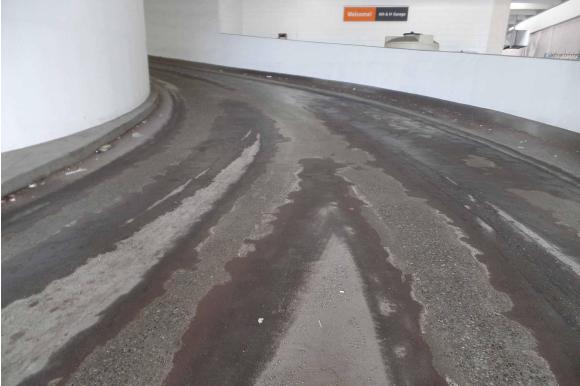
Concrete spalling occurs when portions of a concrete surface chip, flake, or break away. The damage can range from shallow surface deterioration to larger sections of concrete separating from the underlying structure. In its early stages, spalling may appear as small flakes or rough patches. As deterioration progresses, larger pieces of concrete can become loose, exposing aggregate or reinforcing steel beneath the surface. This condition is particularly common in parking structures, elevated concrete decks, balconies, loading areas, and other commercial structures exposed to moisture and changing weather conditions.
Although some cases of concrete spalling are primarily surface-related, others indicate deterioration affecting the structural components of a building.
What Causes Concrete Spalling?
Moisture Intrusion and Water Damage
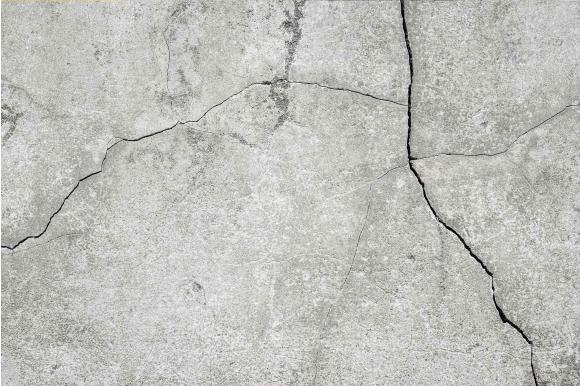
Water is one of the leading contributors to concrete deterioration. Although concrete appears solid, it contains pores that allow moisture to enter. Cracks, deteriorated joints, and damaged waterproofing systems can create additional pathways for water infiltration. Once moisture enters the concrete, it can contribute to several forms of deterioration. Repeated exposure may weaken vulnerable areas, transport harmful chemicals, and create conditions that accelerate corrosion of embedded reinforcement.
For commercial property owners, maintaining waterproofing systems and addressing cracks early are important steps in reducing the risk of concrete spalling.
Freeze-Thaw Cycles
Wisconsin’s changing winter temperatures make freeze-thaw damage a significant concern for exposed concrete structures.
When concrete becomes saturated, freezing temperatures cause water within its pores to expand. This creates internal pressure that can damage the concrete. As temperatures rise and fall repeatedly, the deterioration can become progressively worse.
Over time, the surface may begin scaling, flaking, or breaking apart. Concrete that is poorly air-entrained, already deteriorated, or frequently exposed to standing water can be especially vulnerable. Parking decks, exterior stairways, and exposed slabs often experience this type of damage because they encounter snow, ice, and moisture throughout the winter.
Corrosion of Reinforcing Steel
One of the more serious causes of concrete spalling involves corrosion of embedded reinforcing steel. Reinforced concrete relies on steel reinforcement to provide tensile strength. Under normal conditions, the concrete surrounding the steel helps protect it from corrosion. However, moisture, chlorides from de-icing salts, and carbonation can compromise that protection.
When reinforcing steel corrodes, the resulting rust occupies more volume than the original steel. This expansion creates pressure within the surrounding concrete, eventually causing cracking, delamination, and spalling. In severe cases, corrosion can reduce the cross-sectional area of reinforcing steel and affect the structural performance of the component.
When Is Concrete Spalling a Sign of a Bigger Problem?
Recognizing Warning Signs
Not every damaged concrete surface represents an immediate structural concern. However, certain conditions warrant closer investigation. Facility managers should pay particular attention to spalling accompanied by rust staining, exposed reinforcement, widening cracks, or recurring moisture infiltration. Damage affecting overhead slabs, beams, columns, or other load-bearing components also requires careful evaluation.
The location and extent of deterioration are important considerations. A shallow area of surface scaling may require a different repair approach than concrete separating around corroded reinforcement. In our previous article, How to Tell if Concrete Cracks Are Structural or Cosmetic, we discussed how crack patterns, movement, and surrounding conditions can help identify potential structural concerns. These same principles apply when evaluating spalled concrete.
Understanding the underlying cause is essential because the visible damage may represent only a portion of the problem.
How Do You Repair Spalled Concrete?
Removing Deteriorated Concrete
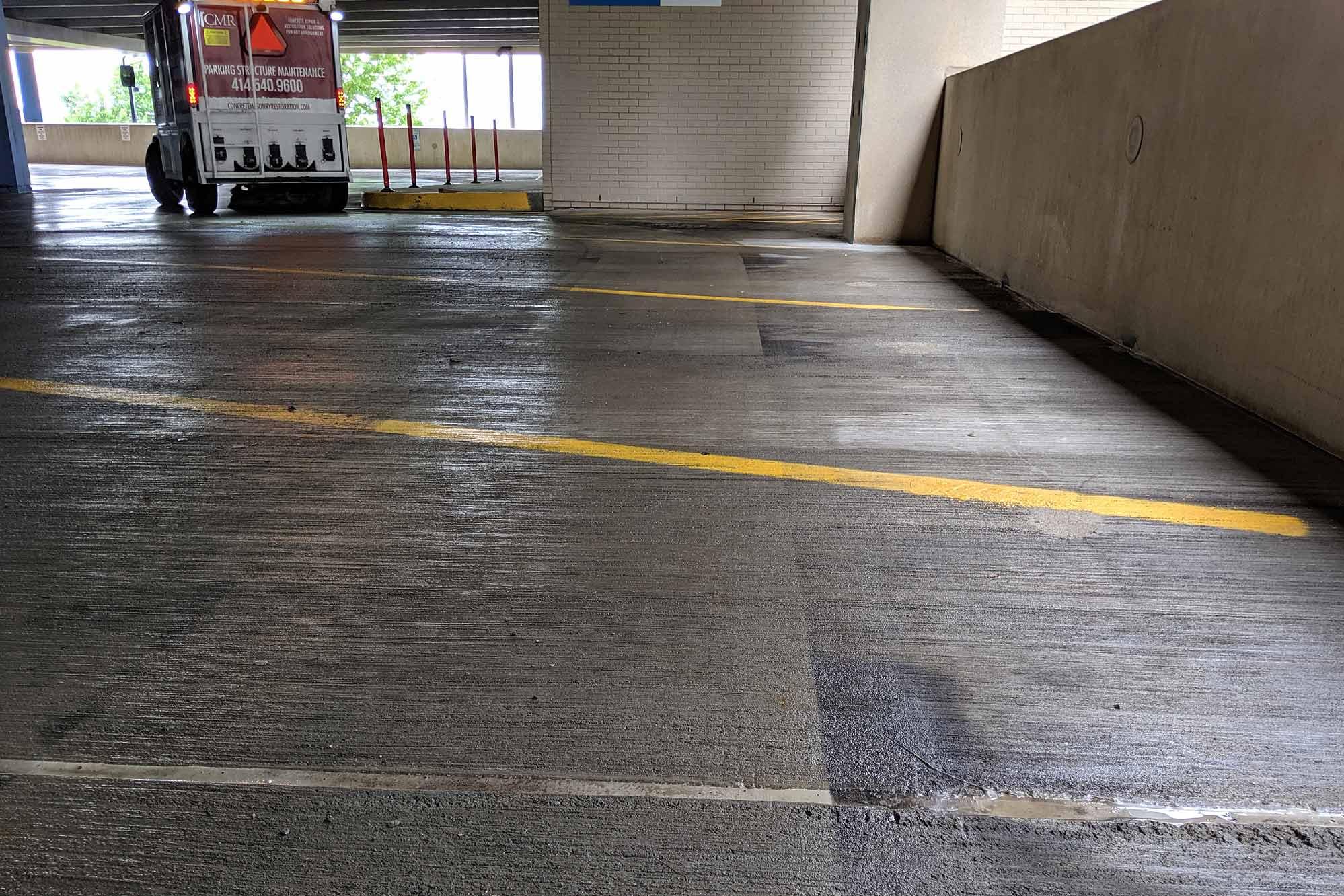
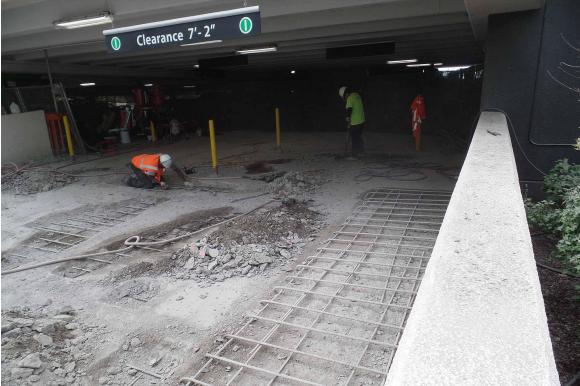
Effective concrete spalling repair begins with evaluating the damaged area and identifying what caused the deterioration. At CMR, our restoration approach focuses on removing unsound concrete and preparing the remaining substrate for an appropriate repair system. The extent of removal depends on the condition of the concrete and the requirements of the project. Proper surface preparation is critical because repair materials must bond to sound concrete to perform as intended.
Addressing Reinforcement Corrosion
When corrosion contributes to spalling, simply covering the damaged area with new concrete is not enough. The affected reinforcement must be evaluated to determine whether cleaning, corrosion mitigation, or additional structural repairs are necessary.
Significant reinforcement loss may require an engineered repair approach. Once the underlying conditions have been addressed, compatible repair materials can be installed to restore the damaged concrete.
Restoring and Protecting the Surface
Depending on the severity of the damage, restoration may involve localized concrete patching, partial-depth repairs, full-depth repairs, or more extensive structural restoration. After repairs are completed, protective treatments may be recommended to reduce future moisture infiltration. These can include waterproofing membranes, penetrating sealers, joint sealants, or traffic coating systems.
The appropriate solution depends on the structure’s exposure conditions, intended use, and existing condition.
Why Simply Patching Spalled Concrete May Not Work
One of the most common mistakes in concrete restoration is treating visible damage without addressing its underlying cause. For example, if corrosion is responsible for concrete spalling, applying a surface patch without addressing the deteriorating reinforcement may allow corrosion to continue. Eventually, the surrounding concrete or newly repaired area may begin deteriorating again.
Similarly, repairing freeze-thaw damage without correcting persistent moisture infiltration can leave the structure vulnerable to recurring problems. This is why professional evaluation matters. Our approach considers both the immediate repair needs and the environmental conditions contributing to deterioration.
For a broader understanding of these processes, our article Understanding Concrete Degradation: What Facility Managers Should Know explores how moisture, reinforcement corrosion, chemical exposure, and freeze-thaw cycles contribute to concrete damage.
Preventing Concrete Spalling Through Proactive Maintenance
Although not every form of deterioration can be prevented, regular maintenance can significantly reduce the conditions that contribute to spalling. Facility managers should prioritize routine concrete inspections, effective drainage, timely crack and joint repairs, and maintenance of existing waterproofing systems.
For parking structures and elevated decks, traffic coatings can provide an additional barrier against moisture and chloride intrusion. Maintaining these protective systems helps limit exposure that could otherwise contribute to reinforcement corrosion and surface deterioration. Identifying problems early also allows property owners to plan repairs before deterioration becomes more extensive.
Trust CMR for Professional Concrete Spalling Repairs
Concrete that is crumbling or flaking should not automatically be dismissed as cosmetic damage. While some deterioration affects only the surface, other cases can indicate moisture intrusion, reinforcement corrosion, or structural problems requiring professional attention.
At Concrete Masonry Restoration, we specialize in identifying and addressing concrete deterioration in commercial, industrial, and institutional structures. Our team provides concrete repairs, structural restoration, waterproofing, and protective coating solutions designed to address existing damage and reduce future deterioration.
If your parking structure, balcony, commercial building, or other concrete facility is showing signs of concrete spalling, contact CMR today to discuss your restoration needs. Addressing deterioration early can help protect your structure, reduce long-term repair expenses, and maintain a safer environment for building occupants.