At Concrete Masonry Restoration, we’ve seen how concrete—despite its reputation for strength—can degrade over time due to environmental stressors, chemical exposure, and poor maintenance. For facility managers, understanding the underlying causes of concrete deterioration is crucial to ensuring the safety, functionality, and longevity of your structures.
We’ll break down the most common forms of concrete degradation—including water infiltration, reinforcement corrosion, sulfate and chloride attacks, and freeze-thaw damage—and explain how our professional restoration strategies address each issue.
Water Damage: The Root of Many Concrete Problems
How Water Infiltration Harms Concrete
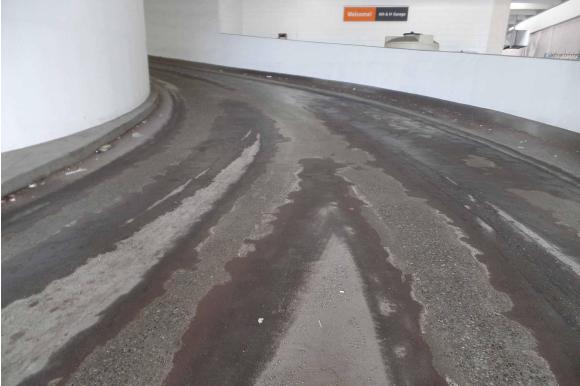
Water is one of the most destructive forces for concrete. Over time, water can seep into pores, cracks, and joints—especially in parking structures, walkways, and exposed slabs. This moisture doesn’t just weaken the concrete itself; it can also carry harmful chemicals that exacerbate deterioration.
Once inside, water sets the stage for corrosion, freeze-thaw spalling, and chemical attacks.
Our Solution: Waterproofing and Crack Sealing
We address water damage at the source. Our process often includes:
-
Cleaning and sealing cracks and joints with flexible sealants
-
Applying traffic coating or waterproof membranes
-
Enhancing drainage systems to prevent pooling and infiltration
Proactively managing water intrusion is the first step in preventing further structural damage.
Reinforcement Corrosion: Hidden but Dangerous
Why Rebar Corrosion Happens
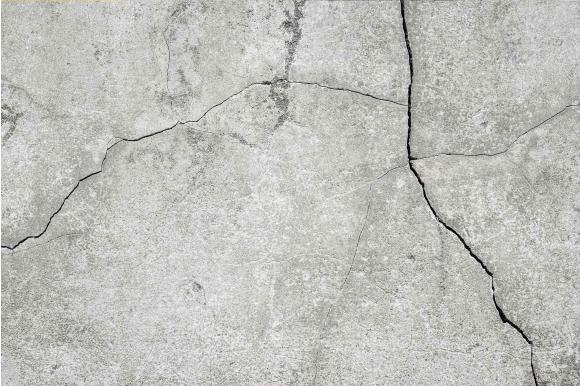
Reinforced concrete contains embedded steel (rebar) to provide tensile strength. When moisture and oxygen reach the steel—especially through cracks or porous concrete—it begins to rust. As steel rusts, it expands, causing the surrounding concrete to crack, spall, and lose structural integrity.
This is often a slow, hidden process, but it can lead to serious safety concerns if left untreated.
Our Solution: Corrosion Repair and Protection
At CMR, our corrosion repair services include:
-
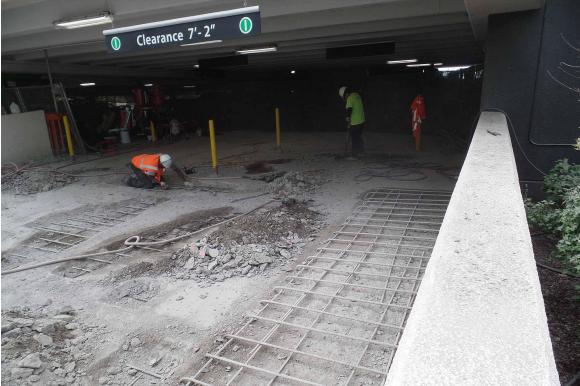
Removal of damaged concrete to expose corroded rebar
-
Cleaning, treating, or replacing rebar as needed
-
Applying corrosion inhibitors or protective coatings
-
Patching with high-performance repair mortars
In some cases, we recommend long-term corrosion mitigation systems such as cathodic protection or surface sealers that block moisture ingress.
Sulfate and Chloride Attack: Chemical Enemies of Concrete
How Sulfates and Chlorides Cause Damage
Sulfates—found in soil, groundwater, or certain industrial environments—can react with components of cement paste, causing it to expand and weaken. Meanwhile, chlorides (often from road salts or de-icing chemicals) accelerate corrosion by breaking down the protective oxide layer on embedded steel.
Facility managers overseeing industrial or high-traffic structures must be especially vigilant.
Our Solution: Chemical-Resistant Repair Systems
CMR addresses chemical attack through:
-
Removal of chemically deteriorated concrete
-
Use of sulfate- and chloride-resistant repair materials
-
Application of protective surface treatments or coatings
-
Improved drainage and surface sloping to minimize exposure
We also advise on using low-permeability concrete or barrier systems in future projects to reduce chemical penetration.
Freeze-Thaw Spalling: A Common Seasonal Challenge
The Freeze-Thaw Cycle Explained
In regions with cold winters, the freeze-thaw cycle is a leading cause of surface degradation. Water that enters concrete pores freezes and expands, exerting pressure that causes the surface to crack, flake, or spall. Repeated cycles intensify the damage.
This type of deterioration is most common in sidewalks, decks, stairs, and parking structures.
Our Solution: Surface Repair and Protection
Our freeze-thaw mitigation approach includes:
-
Removal of spalled or cracked surface material
-
Application of durable patching compounds
-
Installation of sealers or traffic coatings to reduce moisture absorption
-
Ensuring proper drainage and slope to avoid standing water
Addressing freeze-thaw damage promptly helps maintain surface safety and appearance while preventing deeper structural issues.
Proactive Maintenance and Timely Restoration Are Key
Understanding these different forms of concrete degradation helps facility managers take a proactive approach to maintenance. While each cause has its unique characteristics, they often work together to accelerate deterioration. Left unchecked, even minor issues can become costly structural problems.
Our Commitment to Facility Managers
At Concrete Masonry Restoration, we don’t just fix what’s visible—we investigate the underlying causes and recommend long-term solutions tailored to your environment and usage. Whether you manage a parking ramp, commercial building, or public facility, we bring decades of experience in diagnosing and repairing complex concrete issues.
Don’t Wait—Protect Your Investment Today
If you’ve noticed cracks, spalling, leaks, or surface wear on your concrete structures, it may be time for a professional assessment. Our team is ready to evaluate the condition of your concrete and recommend a tailored restoration plan to preserve both structural integrity and aesthetics.
Contact Concrete Masonry Restoration today to schedule a site evaluation and take the first step toward safer, longer-lasting concrete.