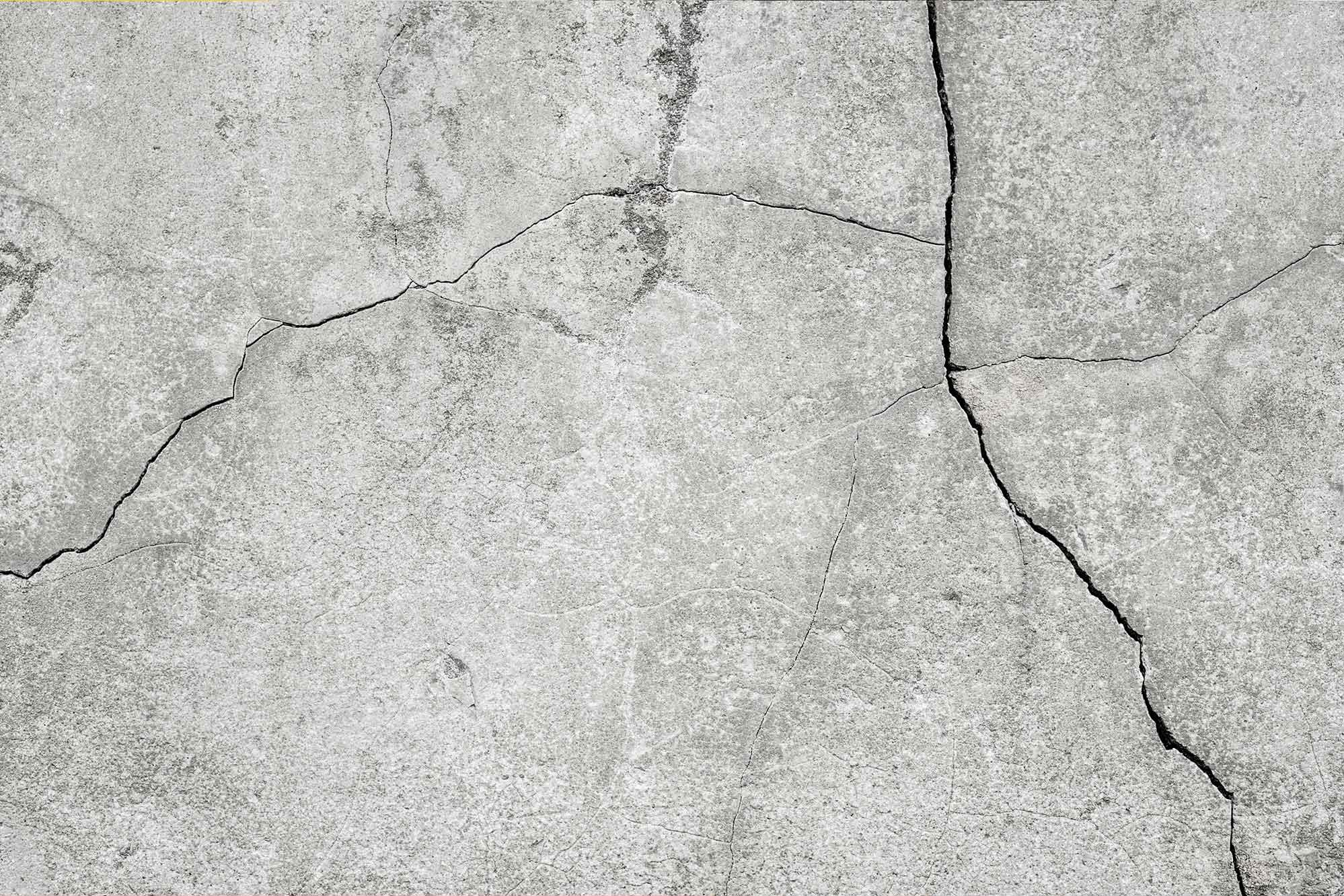
Cracking is one of the most common issues we encounter in concrete structures, but not every crack means the same thing. Some cracks develop naturally as concrete cures and ages, while others can point to movement, deterioration, or structural problems that require professional attention. For facility managers and property owners, knowing the difference between cosmetic and potentially structural concrete cracks can help determine when monitoring is sufficient and when it is time to bring in a restoration professional.
At Concrete Masonry Restoration (CMR), our approach starts with understanding why a crack formed rather than simply covering it up. The location, size, direction, movement, and surrounding conditions all provide valuable information about what may be happening within a concrete structure.
Why Do Concrete Cracks Develop?
Shrinkage and Normal Concrete Movement
Concrete naturally changes as it cures. As moisture leaves newly placed concrete, shrinkage occurs and small cracks may develop. Temperature fluctuations also cause concrete to expand and contract throughout the year. Properly designed joints help accommodate some of this movement, but minor cracking can still occur.
These concrete cracks are not necessarily an indication that a structure is failing. A stable hairline crack that has remained unchanged for years may primarily be a cosmetic concern. However, even a non-structural crack can provide an entry point for water, chlorides, and other contaminants, making it worth monitoring and potentially sealing.
Settlement and Structural Movement
More concerning cracks can develop when portions of a structure move differently from surrounding areas. Settlement, excessive loads, inadequate reinforcement, or changes in the supporting soil can create stresses that concrete was not designed to accommodate.
These cracks may continue to grow or change over time. When movement is involved, identifying the underlying cause is essential before selecting a repair method.
Water, Corrosion, and Environmental Exposure
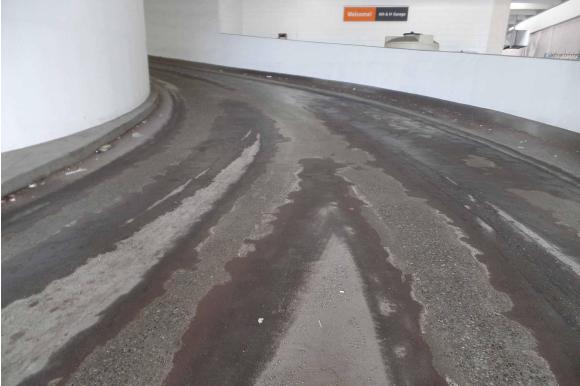
In Wisconsin and throughout the Midwest, moisture and freeze-thaw cycles contribute significantly to concrete deterioration. Water enters small openings, freezes, expands, and gradually increases existing damage. In parking structures and other exposed facilities, de-icing salts can introduce chlorides that eventually reach embedded reinforcing steel.
As reinforcement corrodes, the steel expands and places pressure on the surrounding concrete. Cracking, delamination, rust staining, and spalling can follow. In these situations, repairing the visible crack alone may not address the actual source of the deterioration.
Warning Signs That Concrete Cracks May Be Structural
Cracks That Continue to Change
One of the most important things facility managers can do is pay attention to whether a crack is changing. A crack that becomes wider, longer, or more pronounced over time deserves further investigation.
Changes can indicate continued movement within the structure. Rather than repeatedly filling the opening, a professional assessment can help determine what is causing that movement and whether a structural concrete repair is necessary.
Diagonal or Wide Cracking
The pattern of a crack can also provide clues. Diagonal cracks extending through walls, beams, columns, or other structural components may warrant closer evaluation, particularly if they are accompanied by displacement.
Likewise, wider cracks or cracks where one side of the concrete has shifted relative to the other can indicate something more significant than surface shrinkage.
Rust Staining and Spalling
Facility managers should also examine the concrete surrounding a crack. Rust-colored staining may indicate that water has reached reinforcing steel and corrosion has begun. Spalling, loose concrete, or exposed reinforcement are additional warning signs that deterioration has progressed beyond a cosmetic surface issue.
When these conditions accompany concrete cracks, the repair strategy may need to include removal of deteriorated material, reinforcement treatment, and restoration of the affected concrete.
Cosmetic Cracks Still Deserve Attention
Calling a crack cosmetic does not necessarily mean it should be ignored. Even when a crack does not affect structural capacity, it can create a pathway for water.
Moisture infiltration can gradually transform a minor problem into a more expensive repair, particularly in parking decks, exterior walls, balconies, tunnels, and other exposed structures. Sealing appropriate cracks early can be an important part of preventative building maintenance.
At CMR, we evaluate the crack’s condition and repair objective before recommending a solution. The goal is to understand whether we need to stop water, restore structural strength, accommodate movement, or accomplish a combination of those objectives.
When Is Crack Injection Appropriate for Concrete Cracks?
Epoxy Injection for Structural Repair
Epoxy injection can be an effective solution for certain structural cracks. Epoxy bonds the cracked concrete together and can help restore structural continuity when conditions are appropriate.
However, epoxy is rigid once cured. That means it is important to determine whether the crack is stable before selecting this method. Injecting a moving crack without addressing the source of movement can lead to additional cracking elsewhere.
Polyurethane Injection for Water Infiltration
Polyurethane injection serves a different purpose. It reacts with moisture and expands to fill cracks and voids, making it particularly useful for stopping active leaks and addressing water infiltration.
Because epoxy and polyurethane have different characteristics, choosing between them requires more than simply looking at crack width. Moisture conditions, structural requirements, movement, and the desired outcome all matter.
For a deeper explanation of these two systems, read our Crack Injection 101: Epoxy vs Polyurethane article, where we break down how each method works and when each may be appropriate.
Let CMR Evaluate Your Concrete Cracks
The difference between a cosmetic crack and a structural problem is not always obvious from the surface. That’s why we believe the best concrete repair starts with an accurate diagnosis.
At Concrete Masonry Restoration, we work with facility managers, property owners, engineers, and other project partners to investigate concrete cracks, determine their cause, and select a repair strategy appropriate for the structure. Depending on the conditions, that may include crack injection, sealing and recaulking, waterproofing, concrete restoration, or a more comprehensive structural repair.
If you’ve noticed new cracks, widening cracks, water infiltration, rust staining, or spalling in your facility, don’t wait for the damage to become more extensive. Contact Concrete Masonry Restoration to schedule an assessment and determine the right approach for protecting your structure.