At Concrete Masonry Restoration (CMR), we know winter is one of the harshest seasons for concrete structures—especially parking decks. While facility managers focus on snow removal and safe access, the freeze-thaw cycles, moisture intrusion, and de-icing chemicals at play can silently cause long-term damage to your structure.
We’ll walk you through how cold weather impacts concrete parking structures and what you can do to protect your facility before winter deterioration turns into costly repairs.
How Winter Weather Damages Parking Structures
Freeze-Thaw Cycles and Surface Spalling
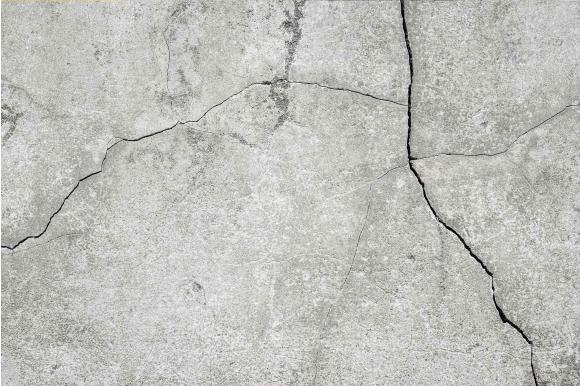
Concrete is naturally porous, meaning it absorbs water. When snow and ice melt during the day, the resulting moisture seeps into tiny pores and cracks. As temperatures drop again at night, that water freezes and expands, putting stress on the concrete. Repeated freeze-thaw cycles lead to surface spalling, cracking, and delamination.
Over time, this damage accelerates, especially in older or unsealed concrete. It often starts at traffic-worn surfaces and exposed slab edges, but it can spread quickly if ignored.
De-Icing Chemicals and Chloride Infiltration
To keep surfaces safe for pedestrians and vehicles, most properties apply de-icing agents, such as rock salt (sodium chloride) or calcium chloride. While effective for melting ice, these chemicals are highly corrosive—especially to reinforced concrete.
As these chlorides penetrate the concrete, they attack embedded steel rebar or post-tension cables. The resulting corrosion expands the steel and causes internal cracking and structural deterioration. In post-tensioned or precast parking structures, this type of corrosion can compromise the structural integrity of key components.
Moisture and Drainage Issues
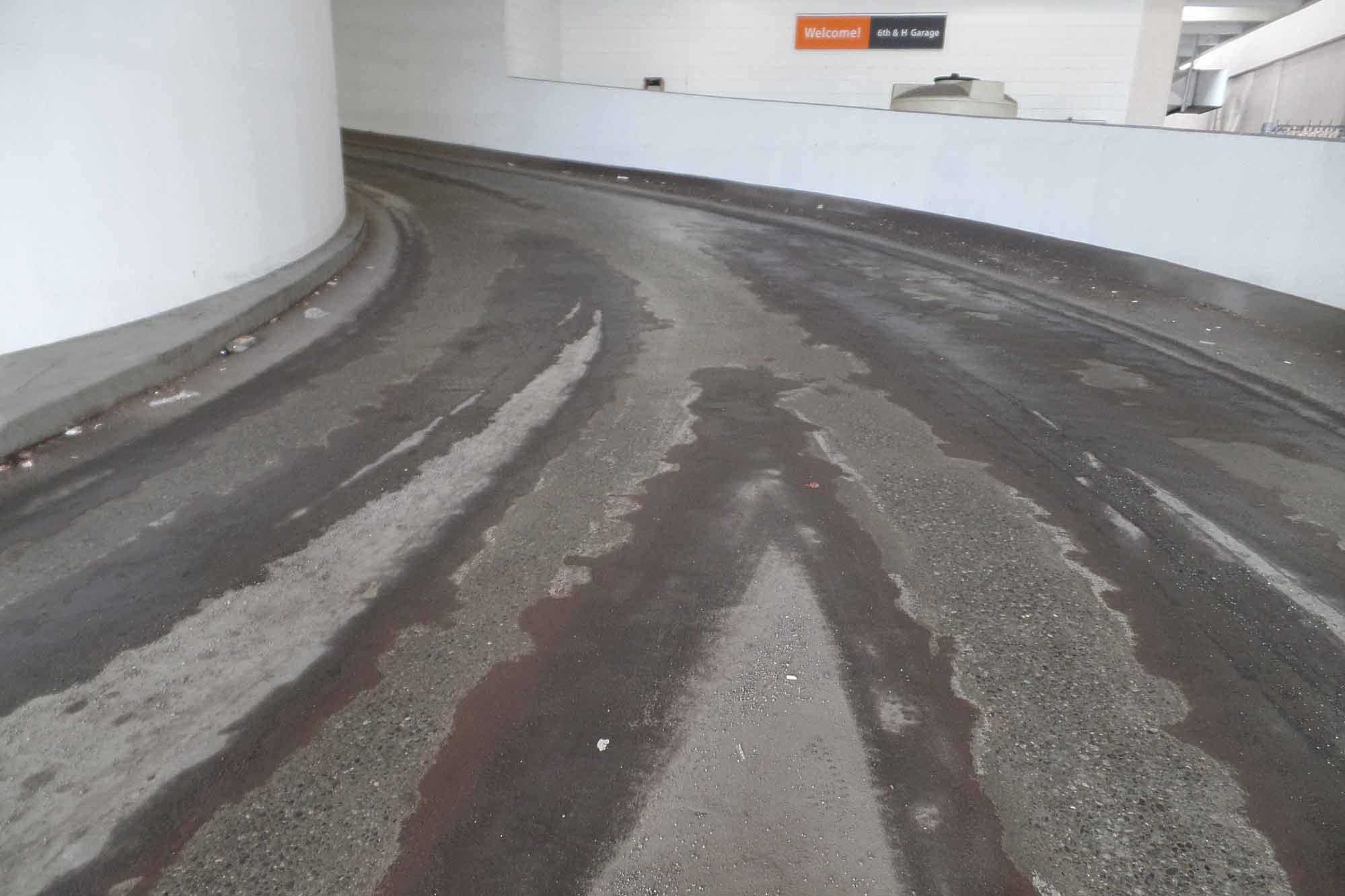
Winter often brings standing water from melting snow and slush. When drainage systems—like floor drains or expansion joints—are clogged or damaged, this moisture pools and saturates the concrete slab, increasing the chance of freeze-thaw damage and chemical infiltration.
Additionally, water that seeps into control joints, construction joints, and cracks can freeze and expand, forcing joints apart and widening cracks further.
Signs Your Parking Structure Is Suffering Winter Damage
Facility managers should regularly inspect parking structures throughout the winter months and look for:
-
Surface scaling, flaking, or spalling
-
Cracking or widening joints
-
Rust staining from corroding rebar
-
Water pooling or slow drainage
-
Loose or deteriorating expansion joints
-
Exposed reinforcement or delaminated concrete
Catching these signs early can help you avoid more expensive structural repairs in the spring.
How to Protect Parking Structures During Winter
Apply Sealants and Traffic Coatings
One of the most effective ways to prevent winter damage is by applying a penetrating sealer or traffic-bearing waterproof coating before the cold weather sets in. These protective treatments reduce water and salt penetration, helping to maintain the durability and appearance of your concrete.
At CMR, we offer high-performance sealers and coatings tailored to parking structures that see regular traffic and exposure to de-icing agents.
Maintain and Repair Expansion Joints
Expansion joints are essential to accommodate the thermal movement of concrete. But when joints fail or crack, they become entry points for water and salt.
Our team can inspect, remove, and replace deteriorating joints to ensure your parking deck is properly sealed against the elements.
Keep Drainage Systems Clear
Make sure your structure’s drainage system is functioning properly. Clogged drains, damaged scuppers, or blocked downspouts can trap moisture and accelerate deterioration.
CMR can inspect and restore damaged drainage areas as part of a comprehensive winter preparation or spring repair plan.
Use Concrete-Safe De-Icing Products
As mentioned in our previous post, not all de-icing salts are equal. Encourage your maintenance team to use concrete-safe products like calcium magnesium acetate (CMA) or blends that include corrosion inhibitors. Avoid piling salt in corners or over joints.
Plan Ahead for Spring Repairs
Some restoration work—like structural patching, rebar replacement, and traffic coating installation—is best completed during warmer months. But winter is the best time to inspect, plan, and schedule those services.
CMR can provide a winter walkthrough of your structure to identify areas of concern and recommend a phased restoration strategy that minimizes downtime in spring.
Trust CMR for Winter and Year-Round Concrete Protection
Winter is tough on concrete—but it doesn’t have to be costly. At Concrete Masonry Restoration, we specialize in diagnosing and preventing seasonal damage to parking structures across Wisconsin and the Midwest. Whether it’s freeze-thaw damage, chloride corrosion, or joint deterioration, our team is ready with proven solutions to extend the life of your facility.
We bring decades of experience, trusted field crews, and top-tier materials to every job—ensuring that your parking structure is safe, functional, and protected in every season.
Get in touch with us today to schedule an inspection or learn more about our winter protection and spring restoration services. Let’s keep your structure strong—no matter the weather.