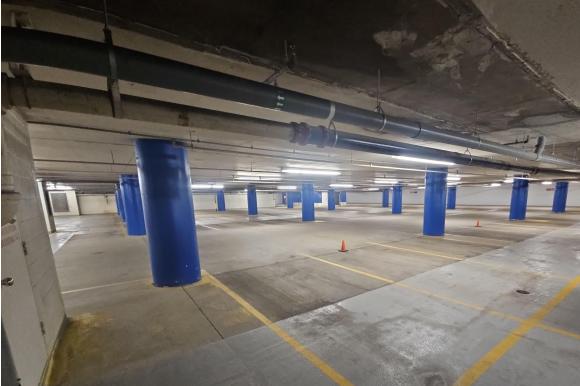
At Concrete Masonry Restoration (CMR), we often tell property managers and facility owners that timing matters just as much as the repair itself. One of the best times of year to plan and complete parking repairs is May. As winter damage becomes visible and summer construction conditions approach, this month offers a strategic window to address deterioration before it worsens or disrupts peak facility usage.
From improved weather conditions to contractor availability and better long-term performance outcomes, May creates the ideal opportunity to evaluate and restore parking structures after the stresses of winter.
Winter Damage Becomes Visible by May
Freeze-Thaw Damage Starts Showing Clearly
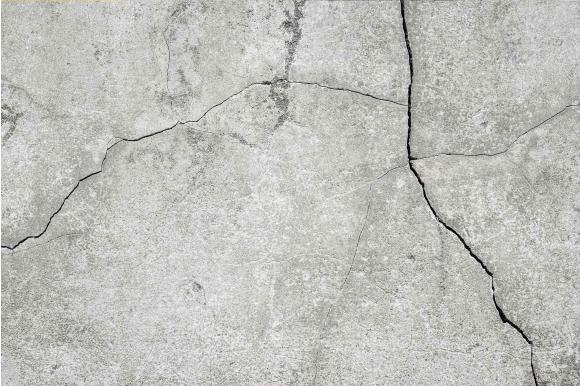
Throughout the winter, parking structures are exposed to snow, moisture, and de-icing chemicals. Freeze-thaw cycles cause water trapped in concrete to expand repeatedly, which leads to cracking, scaling, and delamination. By the time May arrives, these issues are easier to identify during inspections because surfaces have dried and accumulated winter debris has been cleared.
Scheduling parking repairs in May allows facility managers to address early-stage deterioration before it spreads into structural components.
Salt Exposure Leaves Lasting Effects
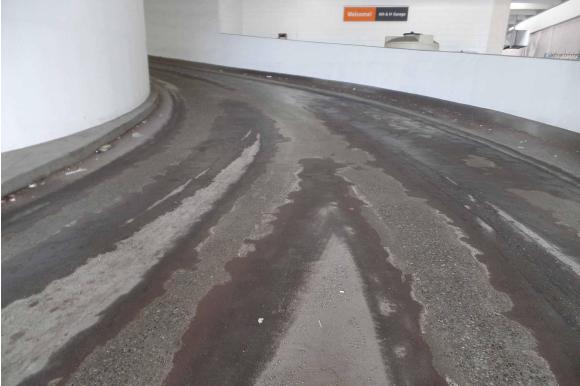
De-icing salts are necessary for winter safety, but they introduce chlorides into concrete surfaces. These chlorides accelerate corrosion of reinforcing steel and post-tension systems. Rust expansion within the slab often leads to spalling and joint failure.
May is the right time to evaluate the extent of chloride-related damage and begin restoration work before corrosion progresses further into the structure.
Spring Weather Supports Effective Parking Repairs
Moderate Temperatures Improve Repair Performance
Successful parking repairs depend on proper surface preparation, material placement, and curing conditions. May typically provides stable temperatures that support high-quality installation of repair mortars, coatings, and sealants.
Unlike colder winter months or extremely hot summer conditions, spring weather allows repair materials to bond properly and cure evenly, improving long-term durability.
Reduced Moisture Compared to Early Spring
Early spring often brings heavy snowmelt and rainfall that can delay restoration schedules. By May, surfaces are generally drier and more predictable, creating better working conditions for concrete removal, patching, and coating installation.
This improves both project efficiency and repair quality.
Contractor Availability Is Better Earlier in the Season
Avoid Peak Summer Construction Backlogs
As temperatures rise, demand for restoration services increases significantly. Many large-scale parking structure projects are scheduled for June through August, when conditions are consistently warm.
Planning parking repairs in May helps property owners secure contractor availability before peak-season scheduling limitations develop. Earlier scheduling also allows more flexibility for phased repair work if needed.
More Time to Complete Multi-Phase Repairs
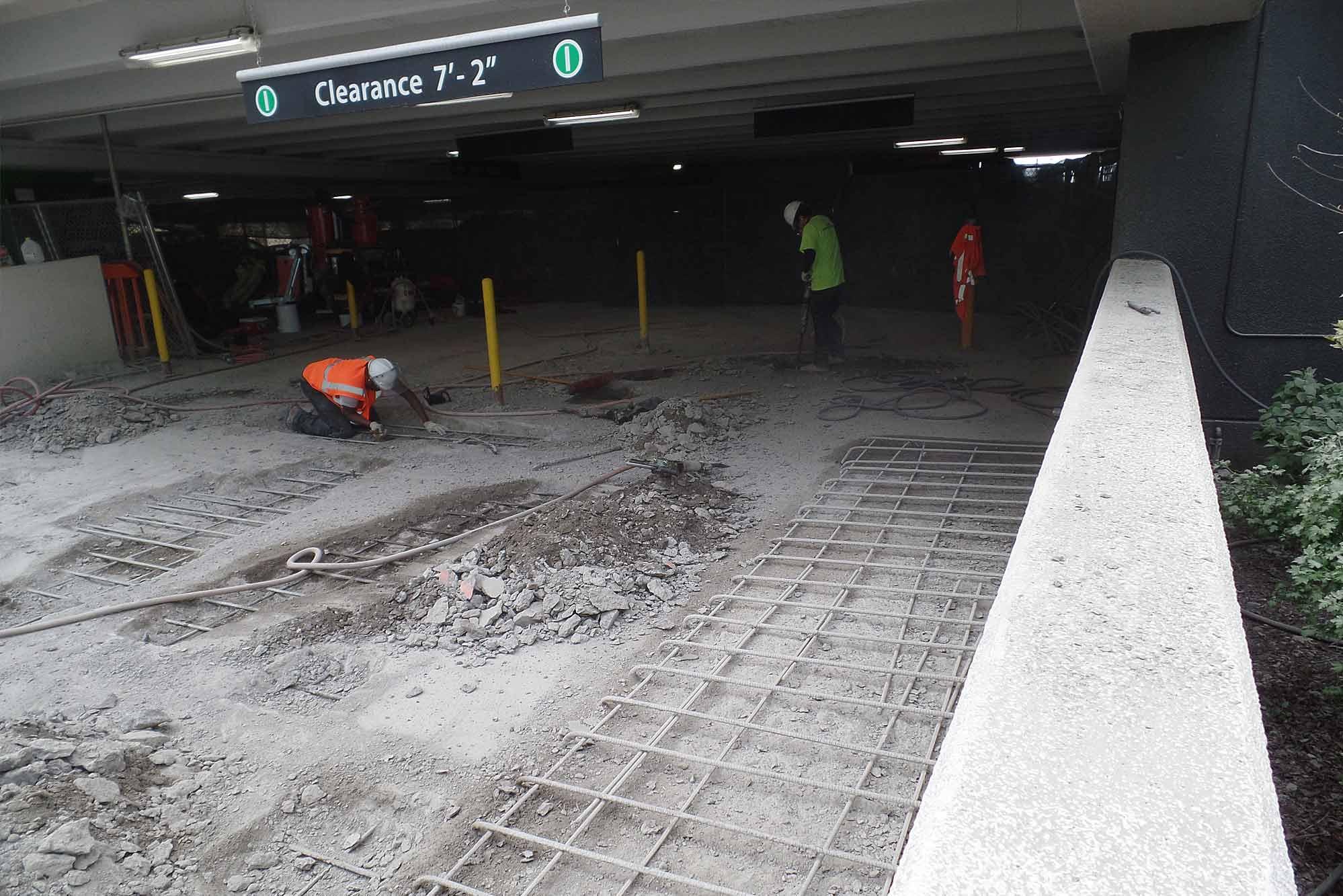
Parking structures often require coordinated restoration efforts that include concrete patching, joint replacement, waterproofing, and traffic coating installation. Starting these repairs in May provides additional time to complete each phase properly before heavy summer traffic increases usage levels.
Early scheduling also helps reduce the likelihood of emergency repairs later in the season.
May Is Ideal for Expansion Joint Replacement and Waterproofing
Expansion Joint Damage Is Easier to Identify
Winter conditions place significant stress on expansion joints. Freeze-thaw movement, salt infiltration, and repeated vehicle traffic often cause joint sealants to crack or separate from slab edges.
Replacing failed joints in May prevents water intrusion from continuing into the structure during spring rainstorms and summer humidity cycles.
Traffic Coatings Perform Best in Spring Conditions
Traffic-bearing waterproof coating systems are one of the most effective tools for protecting parking structures. These systems prevent moisture and chlorides from penetrating the slab surface.
Installing these coatings as part of May parking repairs helps prepare structures for increased seasonal use while extending their service life.
Spring Inspections Help Prevent Summer Emergencies
Identifying Problems Before They Escalate
Small cracks and surface deterioration may seem minor, but they often signal deeper structural concerns. Performing inspections in May allows restoration teams to evaluate slab conditions before heavy summer traffic and weather accelerate deterioration.
Early identification makes repairs more predictable and cost-effective.
Planning Long-Term Restoration Strategies
Not all repairs must be completed at once. In many cases, we help facility managers develop phased restoration plans that prioritize the most critical repair areas first. Beginning this planning process in May allows owners to budget appropriately and schedule future improvements efficiently.
Proactive planning helps prevent unexpected disruptions later in the year.
CMR Helps You Take Advantage of the Spring Repair Window
At Concrete Masonry Restoration, we work closely with facility managers, engineers, and property owners to identify the right time to perform parking repairs that protect structural performance and extend service life. May offers one of the best opportunities to inspect winter damage, restore weakened areas, and prepare parking structures for heavy summer usage.
Whether your facility requires concrete patching, expansion joint replacement, corrosion mitigation, or traffic coating installation, our team provides coordinated restoration solutions designed to minimize disruption and maximize durability.
If your parking structure experienced winter exposure or shows signs of deterioration, now is the time to act. Contact Concrete Masonry Restoration today to schedule an inspection and take advantage of the ideal spring window for professional parking repairs.