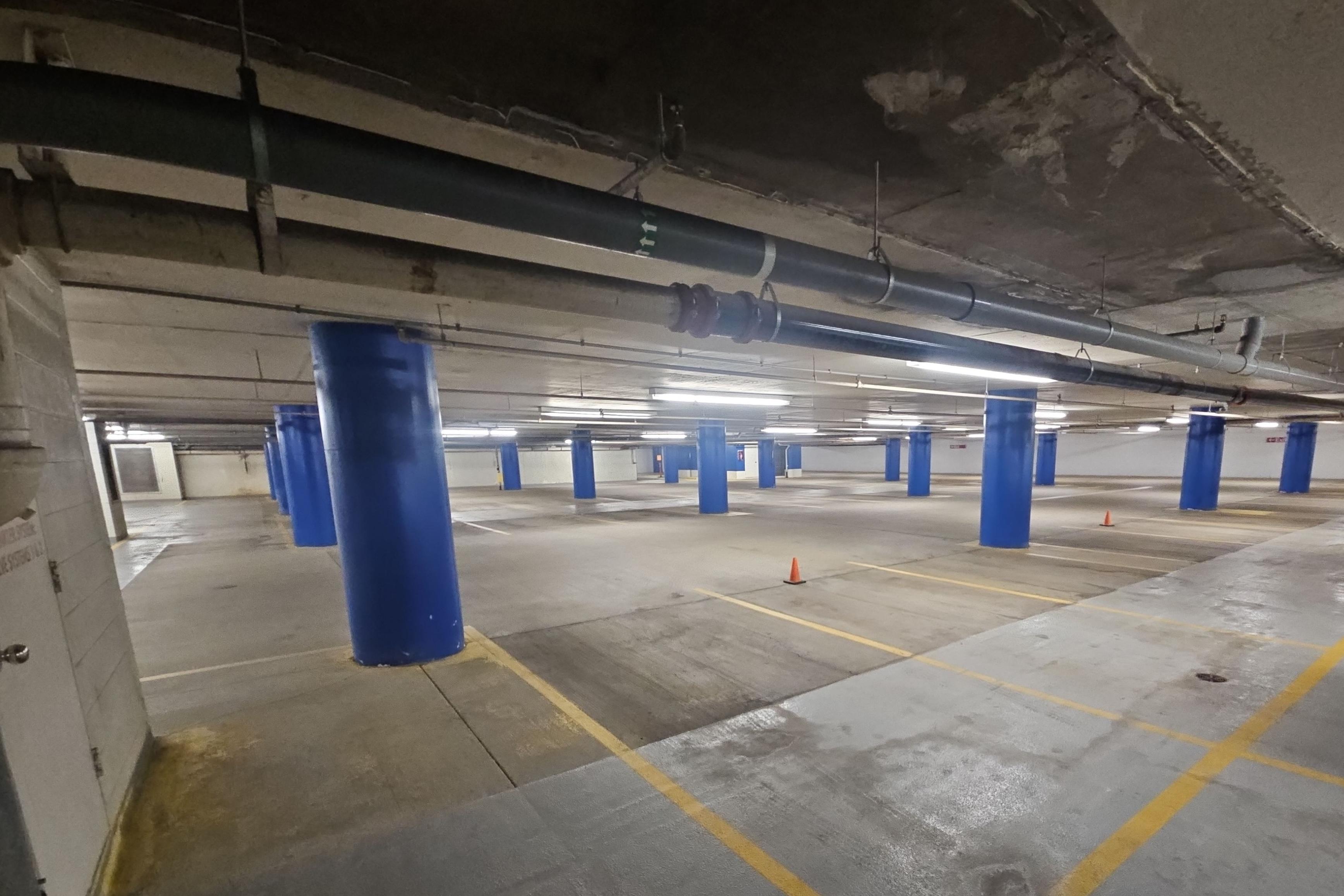
At Concrete Masonry Restoration (CMR), we know parking structures face constant exposure to some of the harshest conditions possible. Between vehicle traffic, moisture, UV exposure, and de-icing chemicals, parking decks are under continuous stress year-round. Without proper protection, these conditions can lead to cracking, corrosion, and major structural deterioration.
One of the most effective ways to extend the life of a parking structure is through professionally installed traffic coatings. These waterproofing systems create a protective barrier that shields concrete surfaces from moisture and chloride intrusion before damage begins. As parking structures prepare for increased seasonal use, installing or maintaining traffic coatings is one of the smartest investments property owners can make.
What Are Traffic Coatings?
A Protective Waterproofing System
Traffic coatings are specialized waterproof membrane systems applied to parking deck surfaces. Unlike standard paint or sealers, these systems are designed to withstand vehicle traffic while protecting the concrete below from water penetration, abrasion, and chemical exposure.
Most traffic coatings consist of multiple layers that work together to provide:
- Waterproofing protection
- Slip resistance
- Flexibility during temperature changes
- Resistance to vehicle wear and tear
- Protection from chlorides and chemicals
These systems are commonly installed on parking garages, elevated decks, ramps, pedestrian walkways, and loading areas.
Why Parking Decks Need Traffic Coatings
Preventing Water Intrusion
Concrete may appear solid, but it is naturally porous. Without protection, water easily penetrates through cracks, joints, and surface pores. Once moisture reaches embedded reinforcing steel, corrosion begins.
Traffic coatings create a waterproof barrier that prevents water from infiltrating the slab. This is especially important in climates like Wisconsin, where freeze-thaw cycles and snowmelt expose parking structures to heavy moisture throughout the year.
Stopping Chloride Intrusion
One of the biggest threats to parking structures is chloride contamination from de-icing salts. Chlorides penetrate concrete and attack reinforcing steel, causing rust expansion that cracks and weakens the structure from within.
Properly installed traffic coatings block chlorides before they can reach the concrete substrate. This dramatically reduces the risk of corrosion-related deterioration and extends the service life of the structure.
How Structural Deterioration Begins
Corrosion of Reinforcing Steel
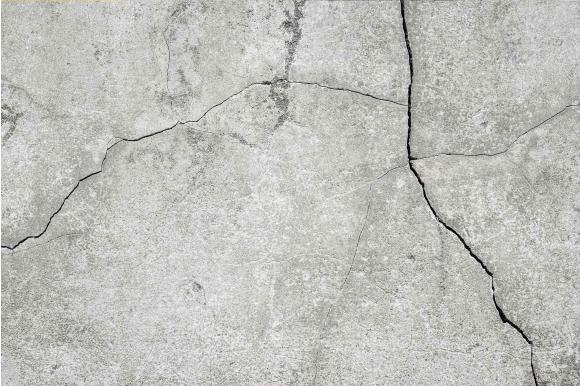
When chlorides and moisture penetrate concrete, embedded steel reinforcement begins to corrode. As steel rusts, it expands, creating internal pressure within the slab. This leads to:
- Cracking
- Delamination
- Spalling
- Surface displacement
Over time, untreated corrosion compromises the structural integrity of the parking deck.
Freeze-Thaw Damage
Moisture infiltration also creates freeze-thaw deterioration. Water trapped inside concrete freezes and expands during cold weather, causing cracks to widen and surfaces to break apart. Parking decks are especially vulnerable because they are constantly exposed to snow, ice, and changing temperatures.
Traffic coatings help prevent this cycle by keeping moisture out of the slab altogether.
Types of Traffic Coating Systems
Elastomeric Coatings
Elastomeric systems are flexible coatings designed to move with the structure during thermal expansion and contraction. These systems are ideal for parking decks because they can bridge small cracks and maintain waterproof protection even under movement.
Heavy-Duty Vehicular Systems
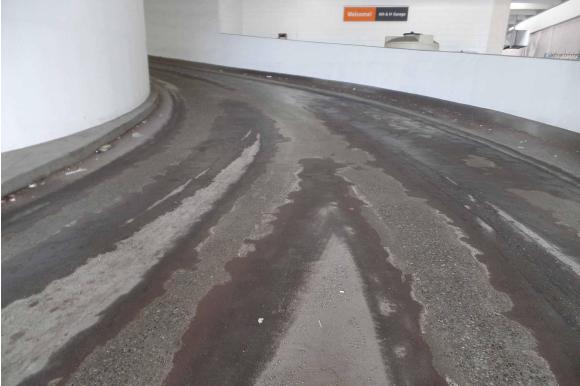
High-traffic areas like ramps and turning lanes require thicker coating systems capable of withstanding continuous vehicle abrasion. These systems include wear layers and aggregate textures that improve durability and traction.
Pedestrian Coating Systems
Walkways and stairwells often use lighter traffic coating systems designed for pedestrian safety and waterproofing. These coatings improve slip resistance while protecting the concrete beneath.
Why Spring and Early Summer Are Ideal for Traffic Coatings
Better Installation Conditions
Temperature and moisture levels directly impact coating performance. Spring and early summer provide ideal conditions for installing traffic coatings because surfaces are typically dry and temperatures support proper curing.
Applying coatings before peak summer traffic also helps minimize future wear and exposure damage.
Preparing for Heavy Seasonal Use
Parking structures often see increased traffic during summer events, tourism, and construction activity. Installing or restoring traffic coatings beforehand helps ensure the structure is protected during periods of heavy use.
This proactive approach reduces the likelihood of emergency repairs later in the year.
How CMR Installs Traffic Coatings
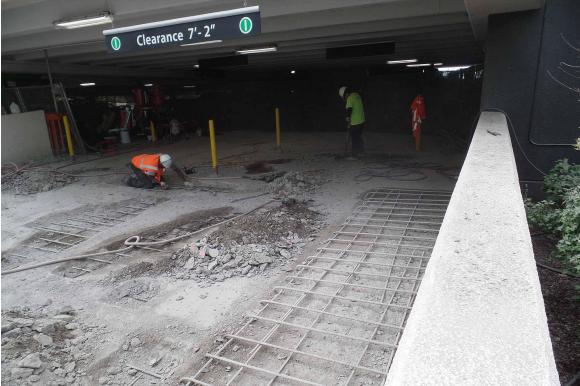
At Concrete Masonry Restoration, our traffic coating process begins with a detailed assessment of the parking structure. Before any coating is applied, we:
- Repair deteriorated concrete
- Address cracks and joint failures
- Remove contaminants from the surface
- Prepare the slab through grinding or shot blasting
Proper surface preparation is critical for long-term coating adhesion and performance.
Once repairs are complete, our crews install the coating system in multiple layers according to manufacturer specifications and project requirements. Every phase is carefully monitored to ensure consistent waterproofing protection and durability.
Protect Your Parking Deck with Professional Traffic Coatings
Parking structures represent a major investment, and protecting them from moisture and chloride damage is essential for long-term performance. Professionally installed traffic coatings provide one of the most effective defenses against structural deterioration, helping property owners avoid costly repairs and extend the life of their facilities.
At Concrete Masonry Restoration, we specialize in parking structure restoration and waterproofing systems throughout Wisconsin and the Midwest. Whether your facility needs a new traffic coating installation or repairs to an existing system, our team has the expertise to deliver long-lasting results.
Contact Concrete Masonry Restoration today to schedule an inspection and learn how traffic coatings can help protect your parking structure before heavy seasonal use begins.