At Concrete Masonry Restoration (CMR), we’ve seen firsthand how Wisconsin winters take a toll on concrete. Snow and ice may be seasonal challenges, but the real long-term threat comes from the salt used to manage them. Rock salt and chemical de-icers are essential for safety, yet they can silently wreak havoc on your concrete structures. If not addressed, salt damage leads to surface erosion, cracking, rebar corrosion, and ultimately costly structural repairs.
Here’s how salt affects concrete surfaces—and what you can do now to protect your investment before winter damage becomes permanent.
How Salt Damages Concrete
Chloride Infiltration
Most de-icing products contain chlorides—particularly sodium chloride (rock salt), calcium chloride, and magnesium chloride. These chemicals lower the freezing point of water, which helps melt ice—but they also seep into concrete’s porous surface. Once inside, they accelerate the corrosion of embedded steel reinforcement. As the rebar rusts and expands, it causes internal cracking and spalling.
Freeze-Thaw Deterioration
When melted snow mixed with salt enters small cracks or pores in the concrete, it can refreeze overnight. This repeated freeze-thaw cycling causes expansion that leads to delamination, flaking, and surface scaling. Salt doesn’t directly freeze the water—it makes it stay in a liquid state longer, allowing it to penetrate deeper before the next freeze.
Surface Erosion
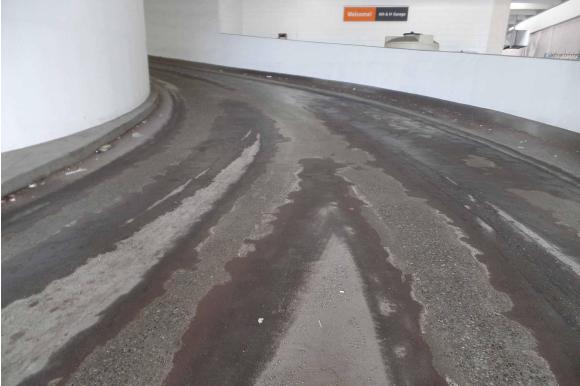
Salt brine also chemically reacts with certain components in concrete, weakening the cement paste that holds the aggregate together. Over time, this leads to surface softening and erosion, particularly in high-traffic areas like parking decks, loading docks, and walkways.
Where Salt Damage Shows Up First
While all exposed concrete is at risk, some areas deteriorate faster than others:
-
Top decks of parking structures where snow is pushed and salt accumulates
-
Entry ramps and loading areas that receive constant vehicle traffic
-
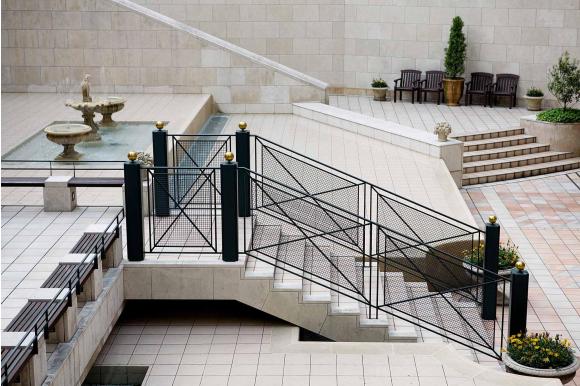
Sidewalks and steps near building entrances
-
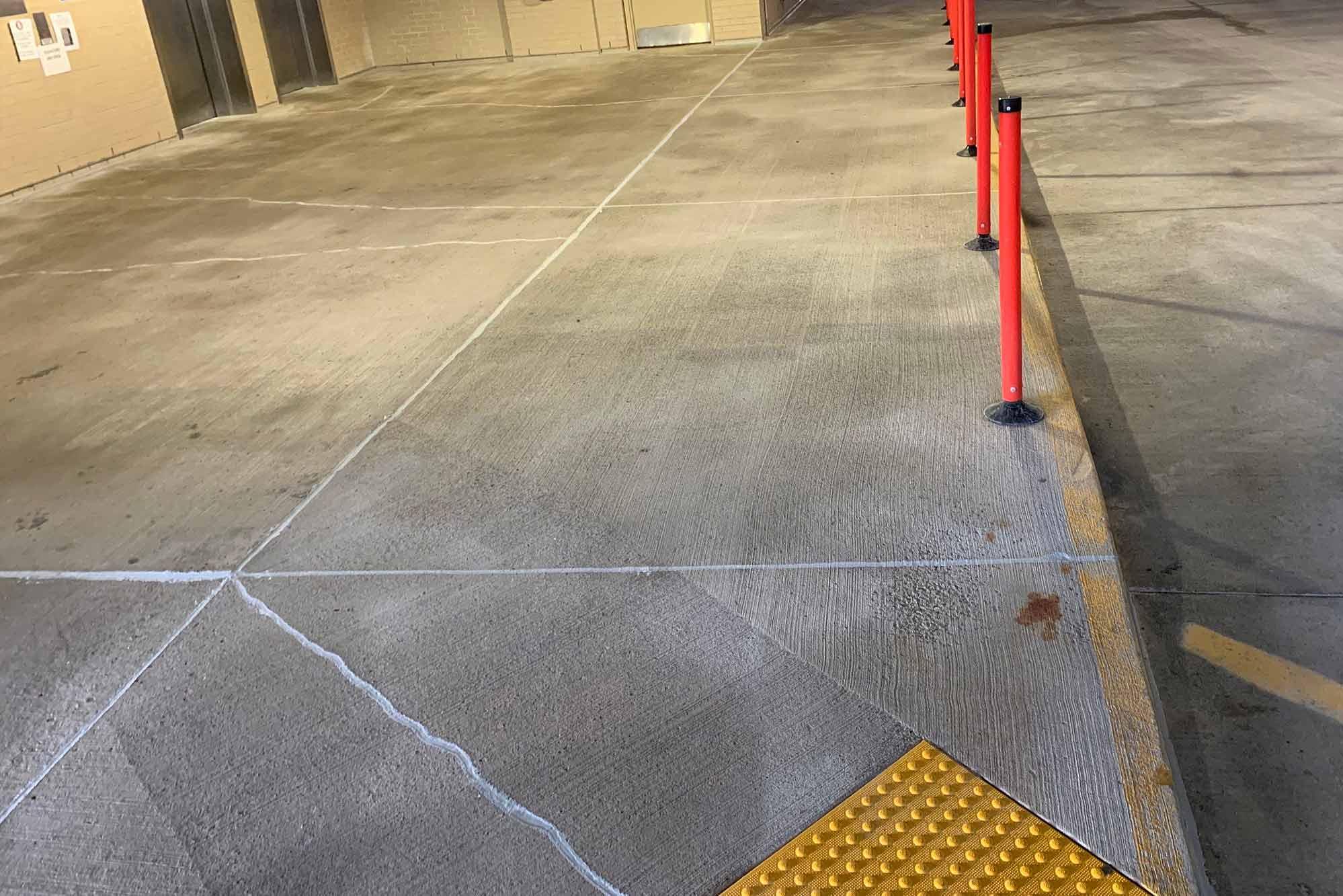
Expansion joints and control joints that allow salt-laden water to seep into lower layers
The Long-Term Cost of Ignoring Salt Damage
What starts as cosmetic flaking can quickly become a structural liability. Once reinforcing steel begins to corrode, the damage spreads internally and weakens the load-bearing capacity of slabs, beams, and columns. Replacing large sections of concrete or restoring corroded rebar is significantly more expensive than taking preventative steps early.
At CMR, we regularly repair concrete that could have been protected with routine maintenance, sealing, and targeted restoration.
How CMR Protects Your Concrete From Salt Damage
Penetrating Sealers
One of the most effective strategies we recommend is applying a silane or siloxane-based penetrating sealer. These products soak into the concrete and create a hydrophobic barrier that repels water and salts without altering the appearance or surface texture.
Our team applies sealers to exposed decks, ramps, stairwells, and other high-risk areas to stop chloride infiltration before it starts.
Traffic Coating Systems
For elevated parking structures or frequently salted surfaces, we often install traffic-bearing coating systems. These elastomeric coatings form a continuous waterproof membrane that protects against moisture, chemicals, and abrasion.
Traffic coatings not only prevent salt damage but also extend the lifespan of concrete slabs by shielding the surface from physical wear and thermal movement.
Expansion Joint Maintenance
Failed or deteriorated expansion joints act like funnels for salt brine. CMR inspects, repairs, and replaces expansion joints to ensure they remain watertight and flexible throughout freeze-thaw cycles. This is critical for keeping salt-laden water out of lower slab levels and embedded steel.
Crack and Surface Repairs
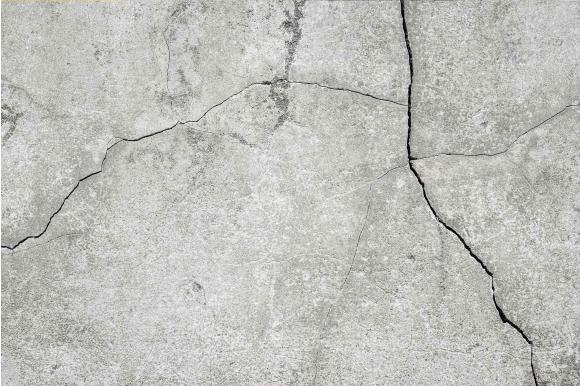
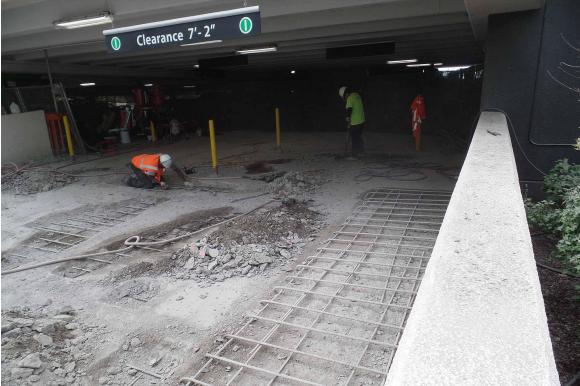
Small cracks are easy to ignore—but in winter, they allow deep water and salt penetration. We provide epoxy and polyurethane crack injection, surface patching, and spall repair to restore integrity and stop the spread of damage. Once repaired, these areas can be sealed or coated for added protection.
When Should You Apply Sealers or Coatings?
Ideally, sealers and coatings should be applied in early fall before heavy snow and salt use begins. However, damaged areas can still benefit from restoration and protection in late winter or early spring, once the surface is dry and temperatures allow.
CMR can assess your property and recommend the best treatment schedule for your facility type, exposure level, and budget.
Protecting Commercial Concrete Structures Across Wisconsin
Salt is essential for winter safety, but it doesn’t have to come at the cost of your concrete. At Concrete Masonry Restoration, we specialize in protective maintenance and long-term repair solutions that guard your concrete against the harsh effects of winter salt.
Whether you manage a multi-level parking garage, a retail facility, or a commercial office property, we offer tailored services to keep your structure strong, safe, and looking its best through every season.
Schedule a winter damage inspection or preventative treatment consultation with CMR today—and stop salt damage before it starts.