At Concrete Masonry Restoration (CMR), we understand that Midwest winters are tough—not just on people and vehicles, but on concrete structures as well. One of the most common culprits of winter-related damage is de-icing salt. While these products are essential for safety, the wrong kind can wreak havoc on concrete surfaces, accelerating wear, corrosion, and costly deterioration.
In this post, we’ll explain how de-icing salts impact concrete, share our top recommendations for choosing safer alternatives, and provide tips for protecting your parking structures, sidewalks, and entryways this winter.
How Salt Damages Concrete
The Freeze-Thaw Factor
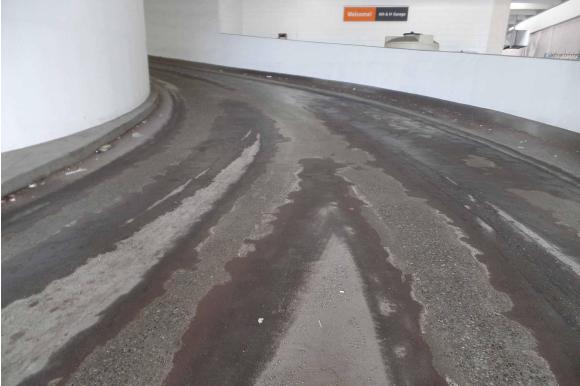
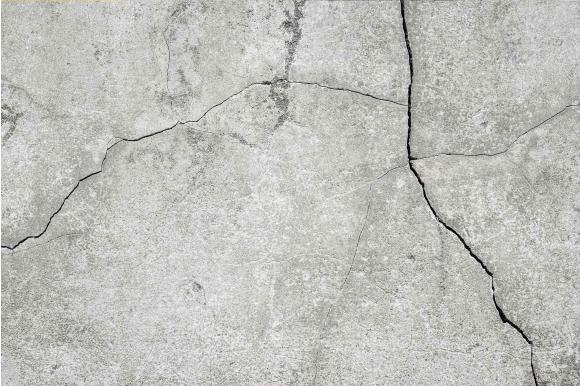
When salt melts snow and ice, it creates a brine solution that penetrates into concrete pores and cracks. As temperatures drop again, that water refreezes and expands—causing freeze-thaw cycling that breaks down the concrete from the inside out. This often leads to spalling, cracking, and surface scaling.
Accelerated Corrosion of Reinforcement
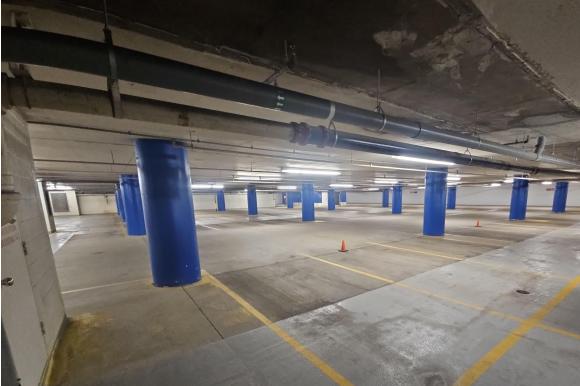
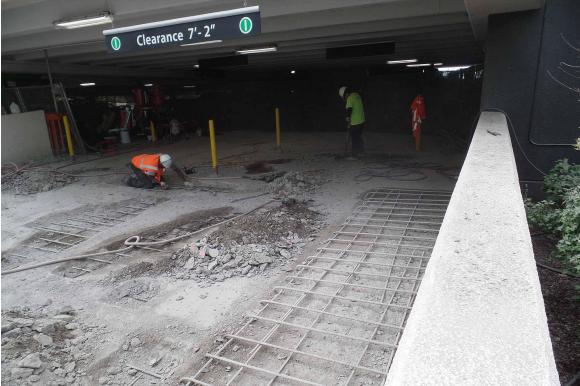
In parking structures and reinforced slabs, de-icing salts often contain chlorides, which are particularly harmful to embedded steel reinforcement. These chlorides reduce the pH around the rebar and initiate corrosion. Once the rebar starts to rust, it expands, causing the surrounding concrete to crack and delaminate.
Surface Erosion and Staining
Some de-icers, especially cheaper blends, contain harsh chemicals that leave behind white stains (efflorescence) or contribute to surface erosion, making your concrete look prematurely aged and worn.
Choose the Right De-Icing Products
Not all de-icing products are created equal. At CMR, we advise facility managers and property owners to understand what they’re applying—and to avoid the most damaging options.
Avoid Rock Salt (Sodium Chloride)
While rock salt is inexpensive and widely available, it’s also one of the most destructive to concrete. It promotes rapid freeze-thaw cycling and provides little protection to surrounding vegetation or steel components.
Use Calcium Magnesium Acetate (CMA)
CMA is one of the most concrete-friendly de-icing products available. It doesn’t contain chlorides and is less corrosive to steel. Although it’s more expensive, it’s a good option for sensitive concrete surfaces like parking decks, elevated slabs, and decorative concrete.
Consider Potassium Acetate for Specialty Applications
Potassium acetate is often used in airport runways and is effective at low temperatures. While not practical for all properties due to cost, it’s extremely safe for concrete and metal—making it a good choice for high-risk areas.
Look for Blends with Corrosion Inhibitors
Some commercial de-icers now contain added corrosion inhibitors, which help reduce damage to both concrete and reinforcing steel. Look for products labeled as “concrete safe” or “chloride-free.”
Tips for Applying De-Icing Products Safely
Choosing the right product is only half the battle. Proper application techniques can also significantly reduce potential damage.
Apply Sparingly and Evenly
Over-application of de-icer leads to excess chemical buildup, which penetrates deeper into the concrete. Use only as much as needed, and avoid piling salt at entrances or along expansion joints, where it can seep deeper into the structure.
Use a Spreader, Not a Shovel
Applying by hand or with a shovel often leads to uneven coverage. Instead, use a mechanical spreader to apply a consistent layer of de-icer across the surface.
Clear Snow First
Don’t use de-icers as a substitute for snow removal. The more snow you remove before applying salt, the less product you’ll need—and the less risk of chemical damage to your concrete.
Long-Term Protection Strategies
If you’re responsible for maintaining concrete surfaces during winter, there are additional steps you can take to minimize salt-related damage.
Seal Your Concrete Surfaces
A high-quality penetrating concrete sealer adds a protective layer that reduces salt absorption and repels moisture. At CMR, we offer water-repellent treatments and traffic coatings that are especially valuable for parking decks and exposed flatwork.
Maintain Proper Drainage
Standing water is the enemy of concrete. Ensure your structure has proper slope and drainage to keep melted snow and salt-laden water moving off the surface quickly.
Inspect for Early Signs of Damage
Winter is tough on concrete—but early detection is key. Our team provides seasonal inspections to look for cracking, spalling, joint failure, and corrosion, so we can recommend proactive repairs before the damage spreads.
Trust CMR to Help You Protect Your Investment
At Concrete Masonry Restoration, we don’t just repair concrete—we help property owners prevent damage before it starts. Our team has decades of experience restoring parking structures, sidewalks, ramps, and more across Wisconsin and the greater Midwest.
If your facility is exposed to regular de-icing product use, we can help you identify areas at risk and apply long-term protection strategies to extend the life of your investment.
Contact us today for an expert consultation—and let’s make sure your concrete holds strong through winter and beyond.