When concrete begins cracking, spalling, or showing signs of deterioration, one of the biggest questions facility managers and property owners face is whether the damaged concrete can be repaired or needs to be replaced entirely. Making the right decision can significantly impact project costs, building operations, and the long-term performance of the structure. Understanding concrete repair vs replacement is essential for protecting your investment and avoiding unnecessary expenses.
At Concrete Masonry Restoration (CMR), we understand that every structure has unique conditions that influence the appropriate restoration approach. While localized concrete repairs can often address deterioration effectively, some situations require more extensive restoration or replacement. The key is identifying the underlying causes of damage and evaluating the overall condition of the structure before determining the best solution.
Concrete Repair vs Replacement: Understanding the Difference
When Concrete Repair Makes Sense
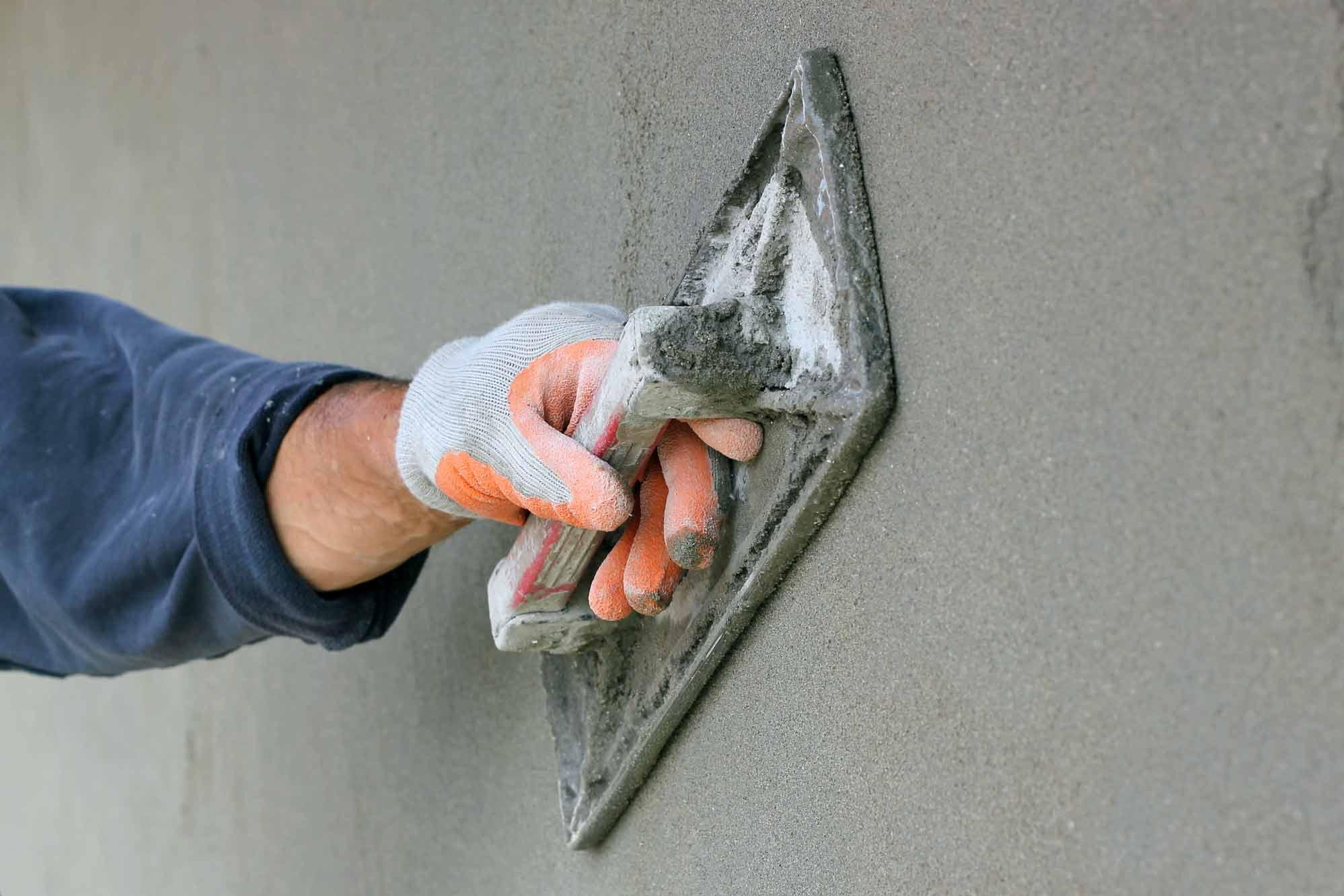
Concrete repair focuses on restoring damaged portions of an existing structure while preserving concrete that remains in acceptable condition. Common repairs include addressing cracks, removing and replacing deteriorated sections, treating corroded reinforcement, and restoring damaged surfaces.
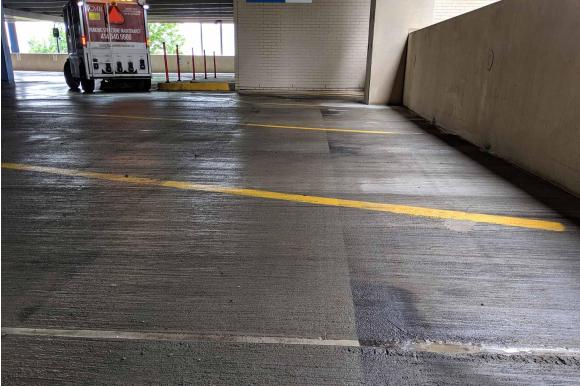
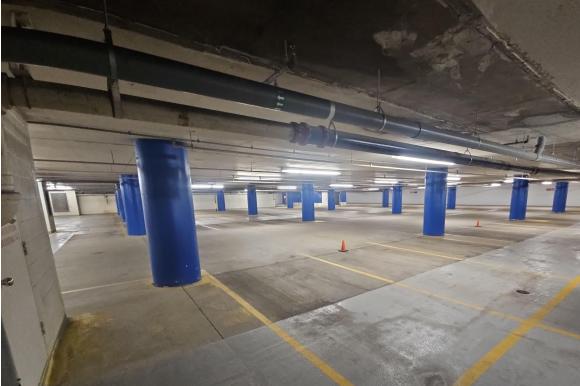
Localized repairs are often appropriate when deterioration is limited to specific areas and the surrounding concrete remains structurally sound. For example, a parking structure with isolated spalling or localized cracking may benefit from targeted repairs rather than extensive demolition.
Repairing damaged areas can also minimize disruptions to building operations, particularly when work can be completed in phases.
When Concrete Replacement May Be Necessary
Replacement becomes a consideration when deterioration is too extensive for localized repairs to provide a practical, lasting solution. Significant structural damage, widespread reinforcement corrosion, severe concrete deterioration, or repeated repair failures may indicate that portions of a structure need to be replaced.
However, replacement does not always mean demolishing an entire parking garage, building component, or concrete structure. Depending on the conditions, it may involve replacing individual slabs, sections of elevated decks, or other deteriorated structural elements.
The decision should be based on the structure’s condition, engineering requirements, and long-term performance expectations rather than appearance alone.
Factors That Influence Concrete Repair vs Replacement
Extent and Severity of Deterioration
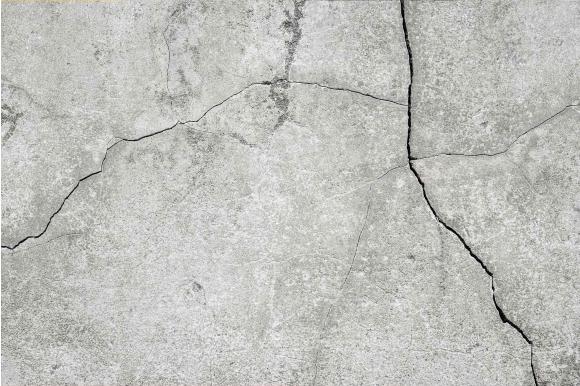
One of the first considerations is how much of the concrete has deteriorated and how deeply the damage extends. Surface scaling, minor cracking, and isolated spalling may be repairable without replacing large sections.
More extensive deterioration can present different challenges. When damaged concrete covers a substantial area or extends deep into structural components, localized repairs may become less practical.
At CMR, we recognize the importance of evaluating both visible deterioration and conditions beneath the surface. What appears to be a small damaged area may be connected to more widespread problems.
Structural Condition and Reinforcement Corrosion
The condition of the reinforcing steel and surrounding concrete plays an important role in determining whether repair or replacement is appropriate.
When moisture and chlorides reach embedded reinforcement, corrosion can develop. As steel corrodes, expansion can cause cracking, delamination, and spalling. Significant corrosion may also reduce the reinforcement’s ability to perform its intended structural function.
In some situations, deteriorated concrete can be removed, reinforcement can be addressed, and the affected area can be restored. More severe damage may require engineered structural repairs or replacement of the affected components.
Water Intrusion and Environmental Exposure
Water infiltration is another major factor in the concrete repair vs replacement decision. Moisture entering through cracks, failed joints, or deteriorated waterproofing systems can contribute to ongoing concrete damage.
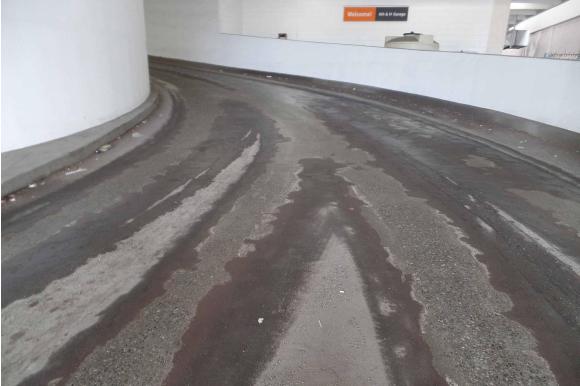
In Wisconsin, freeze-thaw cycles and de-icing salts make exposed parking structures particularly vulnerable. If the source of moisture intrusion is not addressed, newly repaired concrete may experience additional deterioration.
Effective restoration often involves more than replacing damaged material. Waterproofing, joint repairs, drainage improvements, or protective traffic coatings may also be necessary to address the conditions responsible for the original damage.
How Repair History Affects the Decision
Repeated Repairs May Indicate an Underlying Problem
A structure that requires frequent repairs in the same areas deserves closer evaluation. Repeated cracking, recurring spalling, or patches that deteriorate prematurely may indicate that previous repairs did not fully address the underlying cause.
This does not automatically mean replacement is necessary. However, it does suggest that a more comprehensive assessment could identify movement, moisture intrusion, corrosion, or other conditions contributing to recurring damage.
Reviewing previous restoration work can help determine whether additional localized repairs remain appropriate or whether a broader restoration strategy would provide better long-term value.
Comparing the Cost to Repair Concrete Structures
Initial Costs Versus Long-Term Expenses
For facility managers, project cost is understandably a major consideration. Localized concrete repairs generally require less demolition and material replacement than extensive reconstruction, making them an attractive option when the existing structure remains suitable for restoration.
However, the lowest initial cost is not always the most economical long-term solution. If a structure requires frequent repairs, the cumulative expenses associated with repeated mobilization, labor, materials, and operational disruptions can become significant.
When evaluating concrete repair vs replacement, property owners should consider expected service life, future maintenance requirements, and the potential for additional deterioration.
Operational Disruptions and Project Scheduling
Repair and replacement projects can also affect building operations differently. Parking structures may require temporary closures, while industrial facilities and commercial properties may need to coordinate restoration around employees, customers, and production schedules.
Localized repairs can sometimes be completed with fewer disruptions, while extensive restoration may require additional planning and phased construction.
Considering these operational impacts alongside direct construction expenses provides a more complete understanding of project costs.
Why a Professional Concrete Assessment Matters
Identifying the Cause Before Choosing a Solution
Determining whether concrete should be repaired or replaced requires more than examining visible surface damage. A thorough assessment considers the extent of deterioration, structural condition, reinforcement corrosion, moisture exposure, and previous repair history.
Depending on the structure and severity of the damage, an evaluation may involve condition surveys, sounding, testing, or review by a structural engineer.
These findings help establish whether localized repairs, comprehensive restoration, or replacement of specific components is the most appropriate approach.
Developing a Long-Term Restoration Strategy
At CMR, we believe successful concrete restoration begins with understanding the problem rather than simply addressing its visible symptoms.
By working with facility managers, property owners, and engineering professionals, we help develop repair strategies that consider immediate concerns alongside long-term maintenance needs.
This approach can also help property owners prioritize work, plan capital expenditures, and coordinate repairs before deterioration becomes more extensive.
Make the Right Concrete Repair vs Replacement Decision With CMR
Choosing between concrete repair and replacement is not always straightforward. While localized deterioration can often be addressed through targeted restoration, widespread damage, structural concerns, and recurring problems may require a more comprehensive solution.
At Concrete Masonry Restoration, we provide commercial and industrial concrete repair, structural restoration, waterproofing, and protective coating services designed to address deterioration and extend the useful life of existing structures.
If your parking structure, commercial building, or industrial facility is showing signs of concrete damage, contact CMR to discuss a professional evaluation. Understanding the condition of your structure today can help you make informed repair decisions, manage long-term expenses, and protect your property for years to come.