At Concrete Masonry Restoration, we see it every year—winter reveals vulnerabilities in structures that looked perfectly fine in the fall. One of the most common and overlooked issues is concrete joint damage. Expansion joints and control joints are designed to protect your structure, but when they fail, they quickly become one of its biggest liabilities. Cold temperatures, moisture, and de-icing chemicals work together to exploit these weak points, leading to leaks, cracking, and long-term structural deterioration.
Understanding how winter impacts joints—and why addressing concrete joint damage early matters—can save facility managers and property owners significant repair costs.
Why Expansion Joints Matter
The Purpose of Expansion Joints
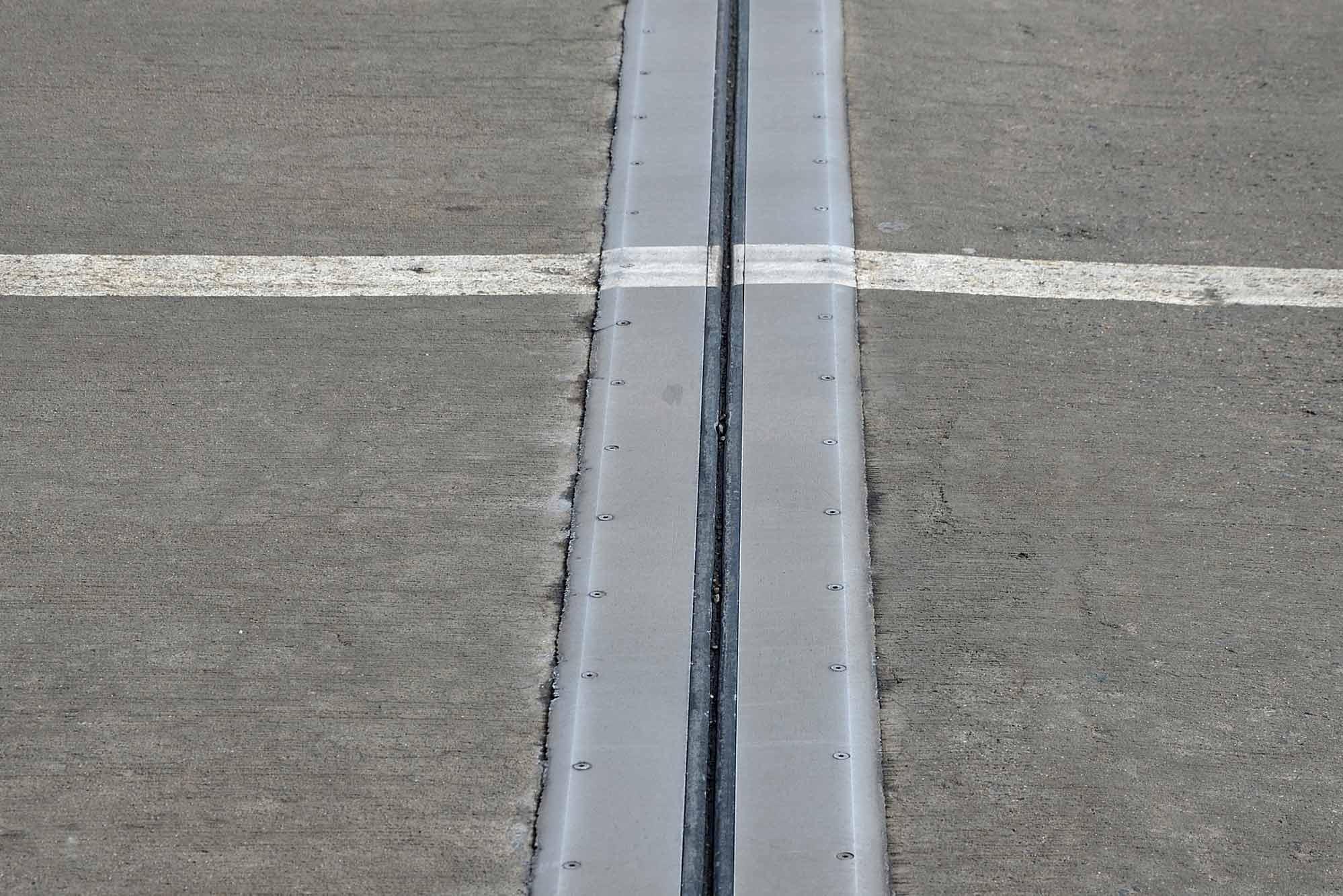
Concrete naturally expands and contracts with temperature changes. Expansion joints are engineered gaps placed between slabs or structural sections to allow that movement without causing cracking. In parking structures, elevated decks, sidewalks, and commercial slabs, joints absorb stress and prevent structural strain.
When expansion joints are functioning properly, they protect surrounding concrete from movement-related damage. When they fail, they allow water, chlorides, and debris to penetrate deep into the structure.
Joints Are Designed to Move
Unlike rigid concrete, expansion joints are made of flexible materials that compress and expand as temperatures fluctuate. During winter, however, that flexibility is tested. If joints become brittle, torn, or separated from the slab edges, they lose their ability to protect the structure.
How Winter Causes Concrete Joint Damage
Freeze-Thaw Cycling
Water is the primary enemy. Snow and ice melt during the day and seep into joints. When temperatures drop overnight, that water freezes and expands. Repeated freeze-thaw cycles force joints apart, deteriorate sealants, and widen gaps.
This constant expansion pressure leads to cracking along slab edges and accelerates concrete joint damage throughout the structure.
De-Icing Salt Infiltration
Winter maintenance often requires salt or chemical de-icers. These materials dissolve into water and travel through failed joints into the concrete below. Chlorides accelerate corrosion of embedded steel reinforcement and post-tension systems.
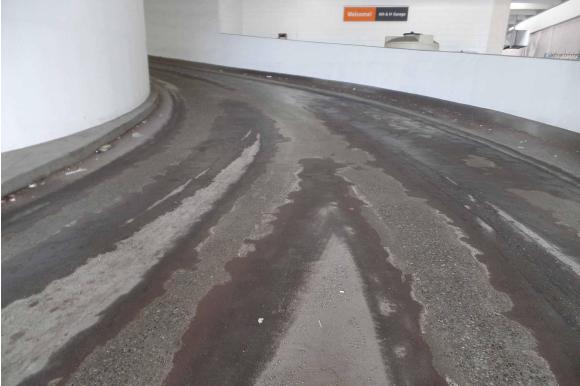
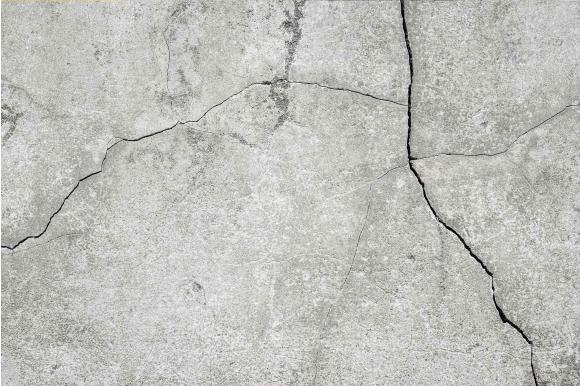
Once corrosion begins, it causes internal expansion, cracking, and spalling. In parking structures, this is one of the most common contributors to structural degradation stemming from untreated concrete joint damage.
Thermal Contraction
Extreme cold temperatures cause concrete to contract. If joints are already compromised, contraction can cause tearing or separation between the joint material and slab edges. This creates pathways for water intrusion once temperatures rise again.
Signs of Concrete Joint Damage
Facility managers should regularly inspect for early warning signs of concrete joint damage, especially during and after winter:
-
Cracked, brittle, or missing joint sealant
-
Gaps widening between slabs
-
Rust staining near joint lines
-
Spalling or flaking along joint edges
-
Water leaking through lower levels of parking decks
-
Debris buildup within open joints
Ignoring these signs allows damage to spread beyond the joint itself and into structural components.
The Structural Risk of Ignoring Joint Failure
Concrete joint damage is rarely isolated. Once water and chlorides enter through failed joints, they migrate into surrounding concrete. Over time, this leads to:
-
Corrosion of reinforcing steel
-
Delamination of slab surfaces
-
Edge deterioration along joint lines
-
Compromised load-bearing capacity
What begins as minor joint wear can escalate into full-depth concrete repairs, structural reinforcement replacement, or even partial slab reconstruction. Addressing joint issues early is significantly more cost-effective than waiting until structural symptoms appear.
How CMR Repairs and Replaces Damaged Joints
At Concrete Masonry Restoration, we specialize in diagnosing and correcting concrete joint damage before it becomes a major structural problem.
Joint Removal and Replacement
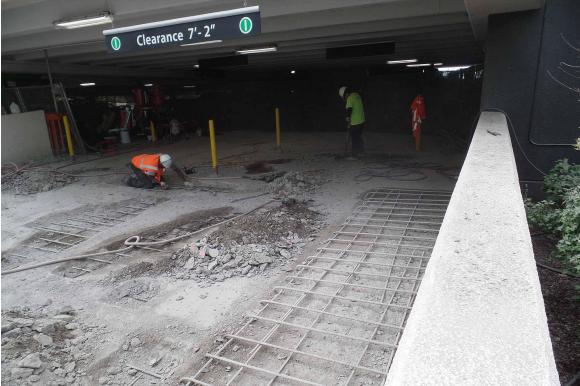
When joints are severely deteriorated, simple patching is not enough. We remove the failing joint material completely, clean and prepare the substrate, and install new high-performance expansion joint systems engineered for durability and flexibility.
These modern joint systems are designed to withstand temperature extremes, heavy traffic loads, and chemical exposure.
Edge Repairs Along Joints
In many cases, concrete joint damage also affects the surrounding slab edges. We perform precision edge repairs using high-strength repair mortars to restore structural integrity before installing new joint materials.
Waterproof Traffic Coatings
For parking structures and elevated decks, we often recommend installing traffic-bearing coating systems after joint replacement. These coatings create a waterproof membrane that protects the surface and prevents water infiltration through joints and slab cracks.
Preventative Maintenance Planning
Beyond repairs, we help facility managers implement proactive maintenance strategies. Regular inspections, cleaning of joint lines, and timely resealing extend the lifespan of joint systems and prevent recurring concrete joint damage.
Why Winter Is the Right Time to Inspect Joints
Winter exposes weaknesses, making it the ideal season to identify joint failures. While some replacement work may be scheduled for warmer months, inspections and planning should happen now.
By evaluating expansion joints during peak stress conditions, we can determine which areas require immediate attention and which can be included in phased restoration plans.
Protect Your Structure from Concrete Joint Damage
Expansion joints are small components with a massive impact on structural performance. When they fail, they allow winter’s most destructive forces—water, freeze-thaw cycles, and chlorides—to attack your concrete from within.
At Concrete Masonry Restoration, we bring decades of experience repairing and replacing joint systems in parking structures, commercial facilities, and municipal buildings throughout Wisconsin and the Midwest. Our team understands how to stop concrete joint damage at its source and restore long-term protection.
If your facility is showing signs of joint deterioration, don’t wait for structural damage to follow. Contact Concrete Masonry Restoration today to schedule a comprehensive inspection and protect your structure from the ongoing effects of winter exposure.